Skip to content

Open 24/7Upfront pricing

Sloping streets and tall terraces

Plumber in Southville, Bristol for tall terraces and flats

Leaks, hot water faults and drainage trouble in Southville's multi-storey terraces. Send a quote request and we will confirm availability on your street.

0117 496 0377 Call now
  • Written quote before work starts
  • Know-how for Victorian and Georgian plumbing
  • Straight advice on what is urgent and what can wait
Request a plumber
How soon do you need help?

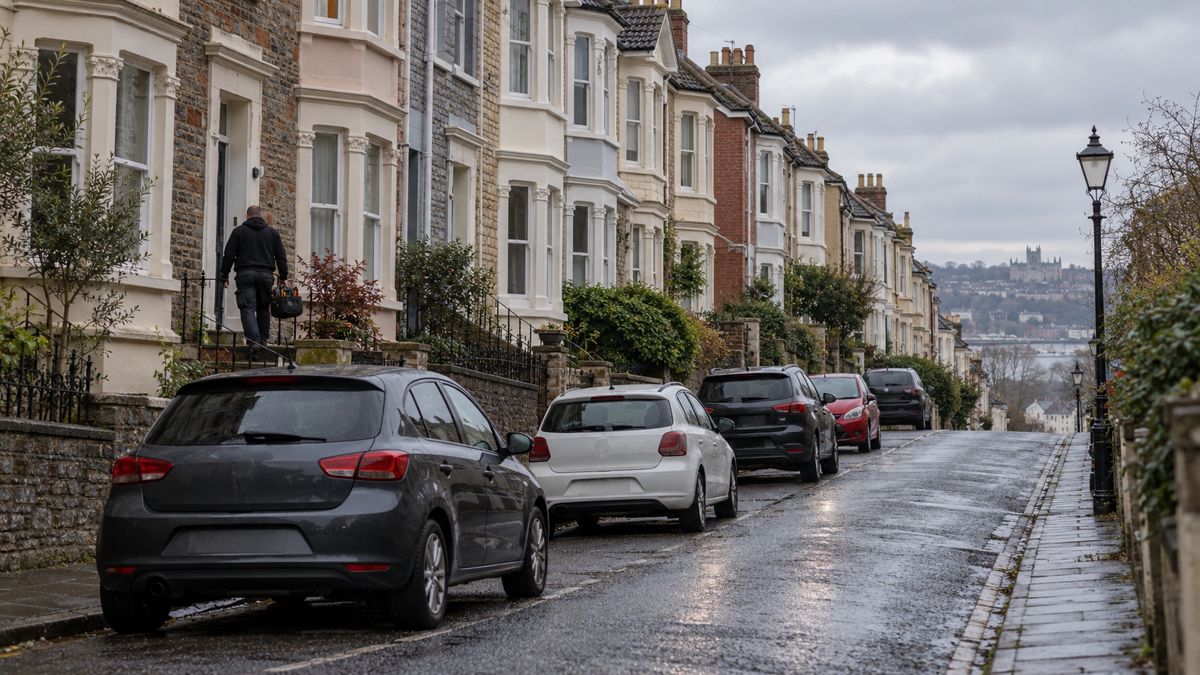
Steep Bristol street of colourful Victorian terraced houses on a grey day

Why Southville homes have their own plumbing quirks

Southville's terraces are tall and narrow, often with three or four storeys, a lower-ground floor and a pitched roof tank or cylinder somewhere near the top. Many were laid out as single family houses and have since become flats, which leaves pipes crossing floors in ways the original builders never planned.

The outcome is plumbing that is long, vertical and sometimes hidden behind decorative finishes. A small leak on an upper floor can run down through several ceilings before it shows, and a pressure problem at the top of the house may start in a pipe on the ground floor.

Slopes, the river and low-lying ground

Parts of Southville lie close to the New Cut and the tidal Avon, while other streets climb towards Bedminster Down. In low-lying spots, ground water and drains can respond to wet spells and high river levels, and a gully that clears easily in summer may struggle in a wet winter.

On slopes, drains have a steady fall, but pressure from the mains varies from the bottom of a hill to the top. Cellars and lower-ground floors, common in the area, are the first rooms to show trouble when waste or ground water backs up, so any damp smell there is worth reporting early.

Services we can quote for in Southville

Southville households can ask us about five types of plumbing work.

Flats and houses are both common here, so tell us which you have. If the building has several stopcocks or a shared tank, mention that too, since it changes how we isolate a fault without cutting water to your neighbours.

Height multiplies the effort. A repair that takes minutes on a ground floor can take much longer on the third, and the plan should say so openly.

  • Floors involved. Water that travels through several storeys needs checking at each level.
  • Access to pipe runs. Cupboards, boxed pipes and plastered chases all matter.
  • Layout changes. Bathrooms added later may rely on pumps or macerators that need their own checks.
  • Ownership. In a converted building, shared pipes may need agreement from others.

We describe each of these in the quote before work starts.

Insurance, flats and who to tell

If water has damaged a ceiling or carpet, contact your insurer early and keep photos. Contents and buildings cover are often separate, and the excess can differ. In a leasehold flat, the management company usually needs to know about a leak that comes from or reaches another flat.

It is also sensible to know where every stopcock is. In converted Southville houses there may be one for each flat and a main one in a cellar or shared hallway. Showing us these on the day of the visit speeds things up and lets us isolate a fault without cutting water to the whole building.

How to request a quote for a Southville property

Use the form or ring 0117 496 0377. We serve Southville, but we are not based there, so availability is confirmed once we hear from you.

  1. Tell us the street and whether it is a house or a flat.
  2. List the floors where you see water, damp or poor flow.
  3. Mention who else lives in the building.
  4. Attach photos of stains, pipes and the boiler.
  5. We arrange a visit, diagnose the fault and send a written quote.

You see the full scope in writing before any pipe is cut, and we explain anything that could affect other flats.

How soon do you need help?

Questions about Southville

My downstairs flat keeps getting damp from above. Who deals with it?

Start by telling the upstairs resident and the landlord or management company. If the leak comes from private pipework in the upper flat, that owner is usually responsible, while a shared pipe or roof leak may fall to the freeholder. We can trace where the water starts so everyone has the same facts to work from.

Why does my hot water take so long to arrive at the top of the house?

Long pipe runs let heat escape on the way. With a cylinder or combi at the bottom of a tall house, the delay can be noticeable. A plumber might suggest insulating pipes, adjusting the layout or adding a pump. First, though, check for a partly closed valve or limescale that is restricting the flow.

Is a damp lower-ground floor always a drainage problem?

No. Damp can come from ground water, poor ventilation or rising damp as well as a leaking pipe or drain. A plumber can rule plumbing in or out by checking supplies, wastes and gullies. If the pipes are sound, a damp specialist may be the next call, and our findings give them a useful starting point.

Can old drains near the river cause trouble in heavy rain?

They can. When ground water is high or the system is full, older pipes may leak in or struggle to carry flow away. Slow drains after storms, gurgling or smells point that way. A camera survey shows the pipe condition, and we will tell you if the issue lies on your side of the boundary.

Do you handle shared stack blockages in converted houses?

Yes, we can clear and inspect shared waste stacks. Because every flat contributes to the flow, the cause of a blockage can come from any of them. Agreement from the management company or neighbours helps when we need access to several flats, and the quote explains where each part of the work takes place.

Ready when you are

Call now or request a quote online.

0117 496 0377