Skip to content

Open 24/7Upfront pricing

Emergency plumbing in Bristol

Emergency plumber in Bristol for burst pipes and leaks

Water where it should not be needs sorting quickly. Call 0117 496 0377, tell us what is happening and we will explain what we can do.

0117 496 0377 Call now
  • Advice on stopping the water while you wait
  • A written quote before work starts
  • Help with flats, terraces and older homes
Request a plumber
How soon do you need help?

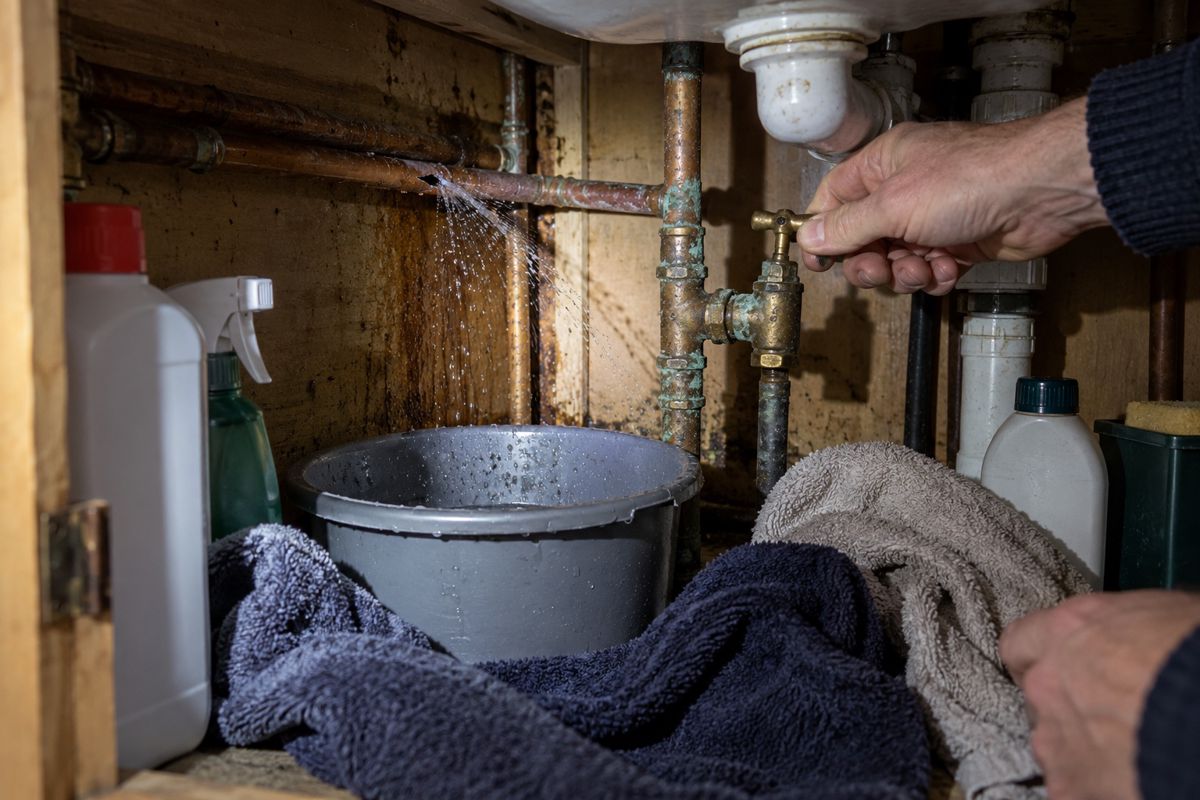
Hand closing a stopcock beneath a sink with a leaking pipe

What counts as a plumbing emergency?

A plumbing emergency is any problem where water is causing damage or a risk to safety, and it cannot wait for a normal appointment. If you need an emergency plumber Bristol households can ring, a clear head matters most, so here is how to tell urgent from not urgent.

Call straight away for

  • A burst or split pipe that is still running
  • A leaking ceiling, especially under a bathroom or near light fittings
  • An overflowing toilet that will not stop, or sewage coming up through a drain
  • No water at all when your stopcock is open
  • A heating or hot water pipe leaking near the boiler

Usually fine to book in

  • A dripping tap
  • A slow drain
  • A running toilet cistern
  • Low hot water pressure

If you smell gas, do not wait for a plumber. Open the windows, turn off the gas at the meter if you can do so safely, leave the building and call the National Gas Emergency Service, which is free from any phone.

What should I do before the plumber arrives?

The first few minutes decide how much damage you get. Work through these in order.

  1. Turn off the water at the stopcock. In most Bristol homes it is under the kitchen sink, in a hallway cupboard or down in the cellar. Turn it clockwise until it stops. In older houses the stopcock can be stiff or seized, so it is worth trying it before you ever need it.
  2. Open the cold taps to drain the pipes and ease the pressure.
  3. Switch off the heating and any immersion heater if the leak is on a hot or heating pipe. If water is near the fuse box or sockets, do not touch them.
  4. Move belongings out of the wet area and put buckets or towels under drips.
  5. Take photos of the damage. Your home insurer will usually ask for them.

In a flat, the stopcock may be shared or sit in a communal area. Tell the neighbours below if water is coming through, and contact your landlord or managing agent as well.

What causes emergency plumbing problems in Bristol homes?

Most call-outs trace back to the age and layout of the housing. Bristol has a large stock of Georgian and Victorian terraces, many of them converted into flats, and the pipework has often been altered several times over.

  • Frost damage. Pipes in lofts, cellars and external walls can split in a cold snap, and the damage shows when the thaw comes.
  • Old joints and corroded pipes. Galvanised steel, and copper joined with ageing fittings, can give way without warning.
  • Leaks between floors. In converted flats a small leak above can soak the ceiling below before anyone notices.
  • Pressure. On a hilly city, homes low on a slope can see higher mains pressure, which finds the weak points in tired pipework.
  • Failed boiler or cylinder parts that let hot water or heating water escape.

Hard water adds to it, because limescale in valves and fittings stops them closing fully.

We do not quote a fixed price over the phone for a fault we have not seen. What we can explain is what moves the price.

  • The cause of the fault and how hard it is to reach
  • Whether parts are needed, and whether they are standard or have to be sourced for an older system
  • How urgent the job is and when it has to be done
  • How much of the work is a temporary fix and how much is a full repair
  • Access, including cellars, tight lofts and floors that have to be lifted

Before we start, you get the figure in writing. If the first job is only to make things safe, we say so, and then quote the full repair separately so you can decide.

How long does an emergency repair take, and what happens on the day?

Many leaks can be stopped within a single visit, but the time depends on the fault. Isolating the damaged section is often quick. A full repair takes longer if a pipe is buried in a wall or under a floor, or if a part has to be ordered.

On the day, the plumber starts by finding the source and checking nothing else is at risk. They protect your floors, explain the options and give a written quote before cutting out or replacing anything. When the work is finished, they test the repair under pressure, mop up around the area and show you what was done.

Wet plasterboard, carpets and ceilings are a separate job. We can tell you what to dry out and when to call a builder or your insurer.

When should I call?

Call as soon as you see water you cannot stop. A small leak found early is a smaller job than the same leak left for a weekend. Ring 0117 496 0377, or read about hidden leak detection if the water is turning up from somewhere you cannot see. For a blocked toilet or gully, our drain cleaning service may be the better fit. You can also head back to the home page to see everything we cover.

How it works

1

Call or tap for help

Tell us what is wrong. We answer around the clock.

2

Plumber dispatched

The nearest plumber heads your way with a stocked van.

3

Fixed with a written price

You approve the price before any work starts.

Open 24/7 Upfront pricing Clear communication Local plumbers

How soon do you need help?

Questions about emergency plumber in Bristol

How quickly can an emergency plumber come out?

It depends on how many urgent jobs are on and where you are. We will not promise a time we cannot keep. When you call, tell us what is happening and we will give you an honest answer about when someone can attend. In the meantime, isolate the water at the stopcock, switch off the heating if the leak is on a hot pipe, and keep clear of any wet electrics.

Where is my stopcock in an old Bristol house?

Look under the kitchen sink first. If it is not there, try a hallway cupboard, under the stairs, the cellar or near the front door. In a flat, it may be in a communal area or shared with other homes. Turn it clockwise to close. If it will not move, do not force it hard. Tell the plumber, as a seized stopcock usually needs replacing.

Is a burst pipe covered by home insurance?

Many home insurance policies cover sudden damage from burst pipes, but terms differ, and some exclude damage from a slow leak or from an empty property. Read your policy or call your insurer. Take photos before you clear up, keep receipts, and keep any damaged items until the insurer says otherwise. We cannot advise on your policy, but we can give you a written account of the repair.

Should I turn the heating off if a pipe has burst?

If the burst is on a hot water or central heating pipe, yes. Turn the boiler off at the controls and switch off any immersion heater. Leaving them running can pump more water out of the leak and may damage the boiler. If the burst is on a cold supply pipe, closing the stopcock is the first priority, then draining down with the cold taps.

What if the leak is in a rented flat?

Landlords are generally responsible for the pipes and heating installations in a rented home. Tell your landlord or agent straight away, in writing, and keep a copy. If water is coming through to a neighbour, tell them too. Close the stopcock if you can reach it and take photos. If the landlord does not respond to an urgent leak, ring us for a view on what needs doing.

Will you give me a price before starting work?

Yes. We quote in writing before work starts. In an emergency the first step may only be to make things safe, and we tell you that plainly. Once the water is under control, we explain the full repair and quote for it, so you can choose with a clear head rather than under pressure.

Ready when you are

Call now or request a quote online.

0117 496 0377